
The First 16 Feet works for all types of buildings and uses.
In retail, activate the First 16 Feet with vibrant storefronts, outdoor seating, and lighting that invites people to linger. In residential, bring it to life with porches, stoops, and front yards that spark connection between neighbors.
Wherever people move, the First 16 Feet is your opportunity to turn everyday edges into places full of energy and belonging.
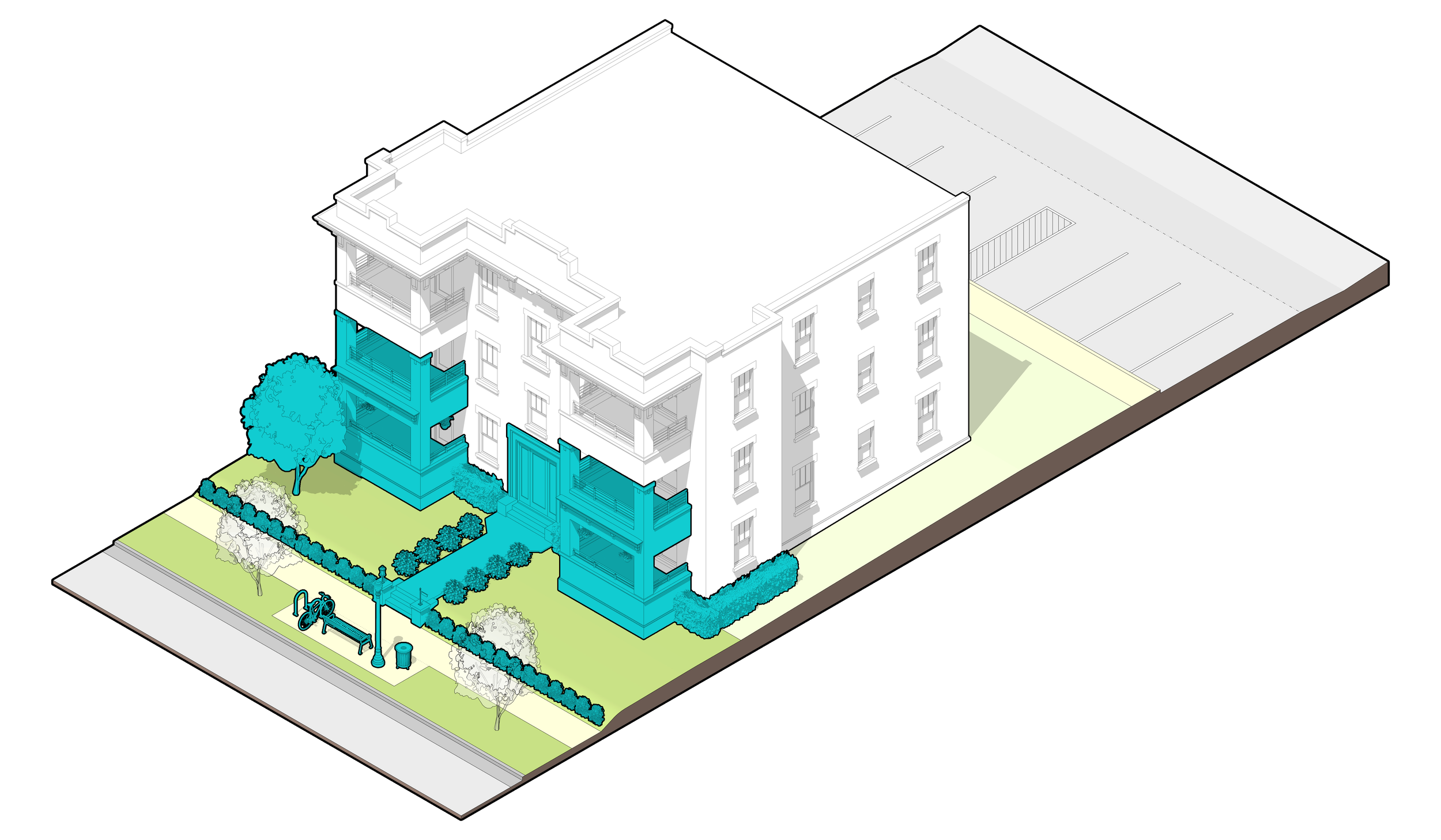
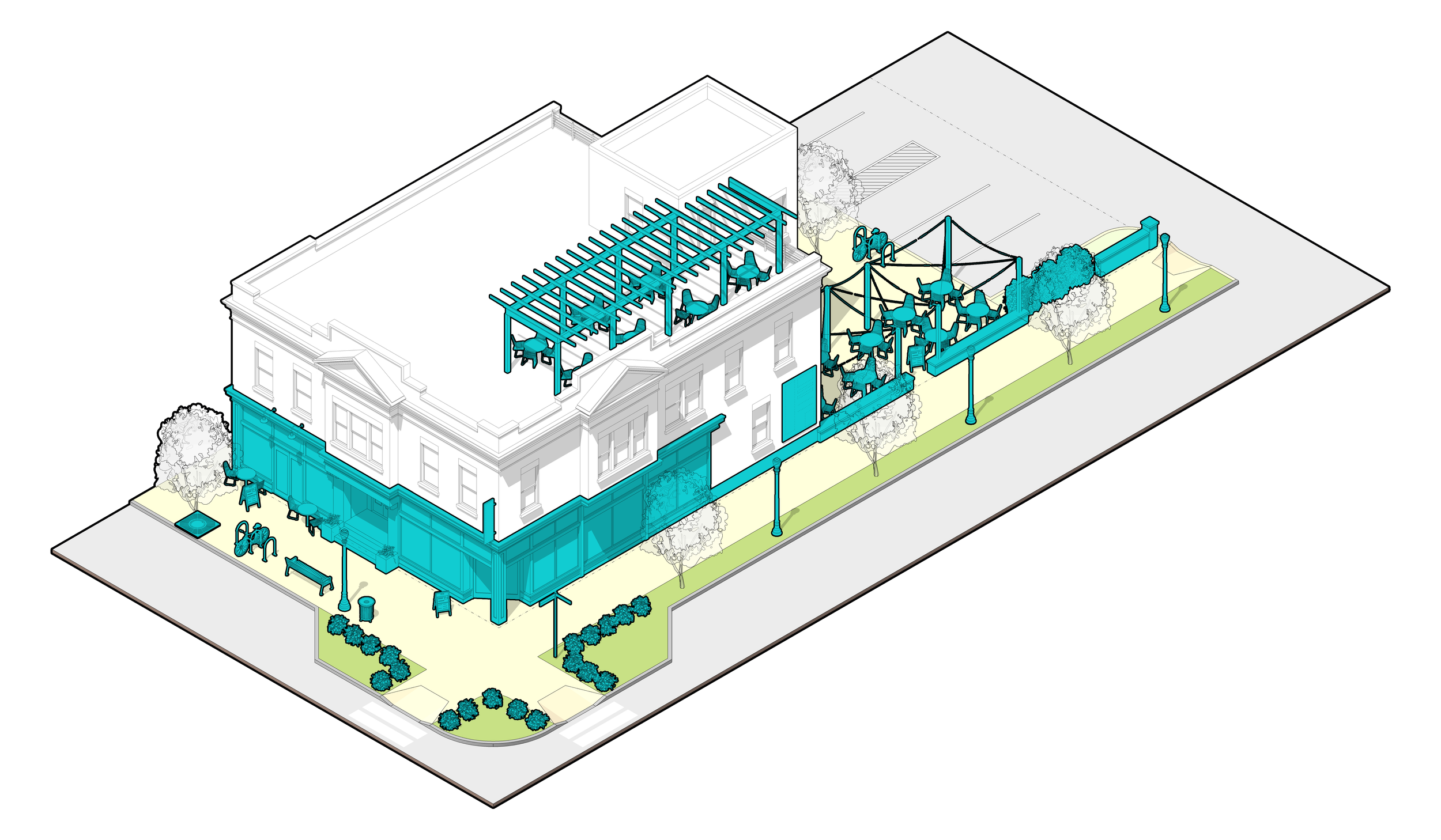
A Framework for Creating a F16 Strategy on Your Street.
-
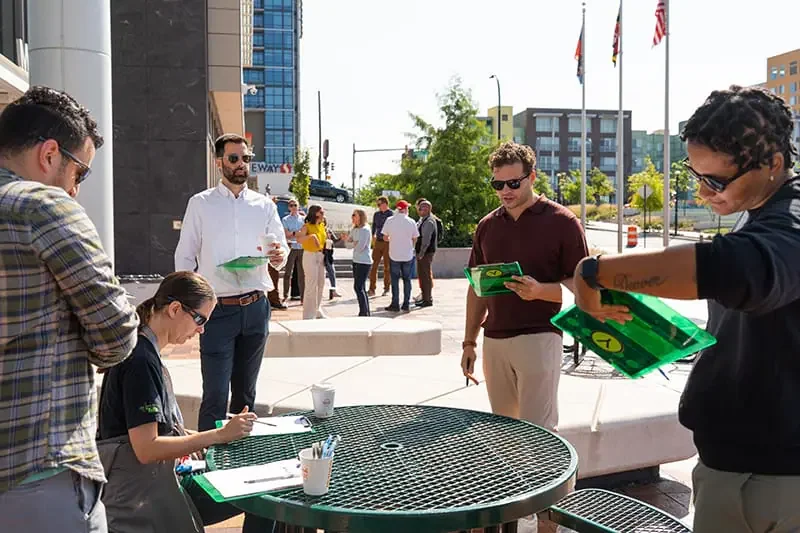
1. Audit Existing Conditions
Start by looking closely at what’s already there. Who is the space really serving right now? Walk the block, take photos, and note the small details. Signs, seating, lighting, landscaping, and storefronts all tell a story. The goal is to see what’s working, what’s missing, and what opportunities are hiding in plain sight.
-
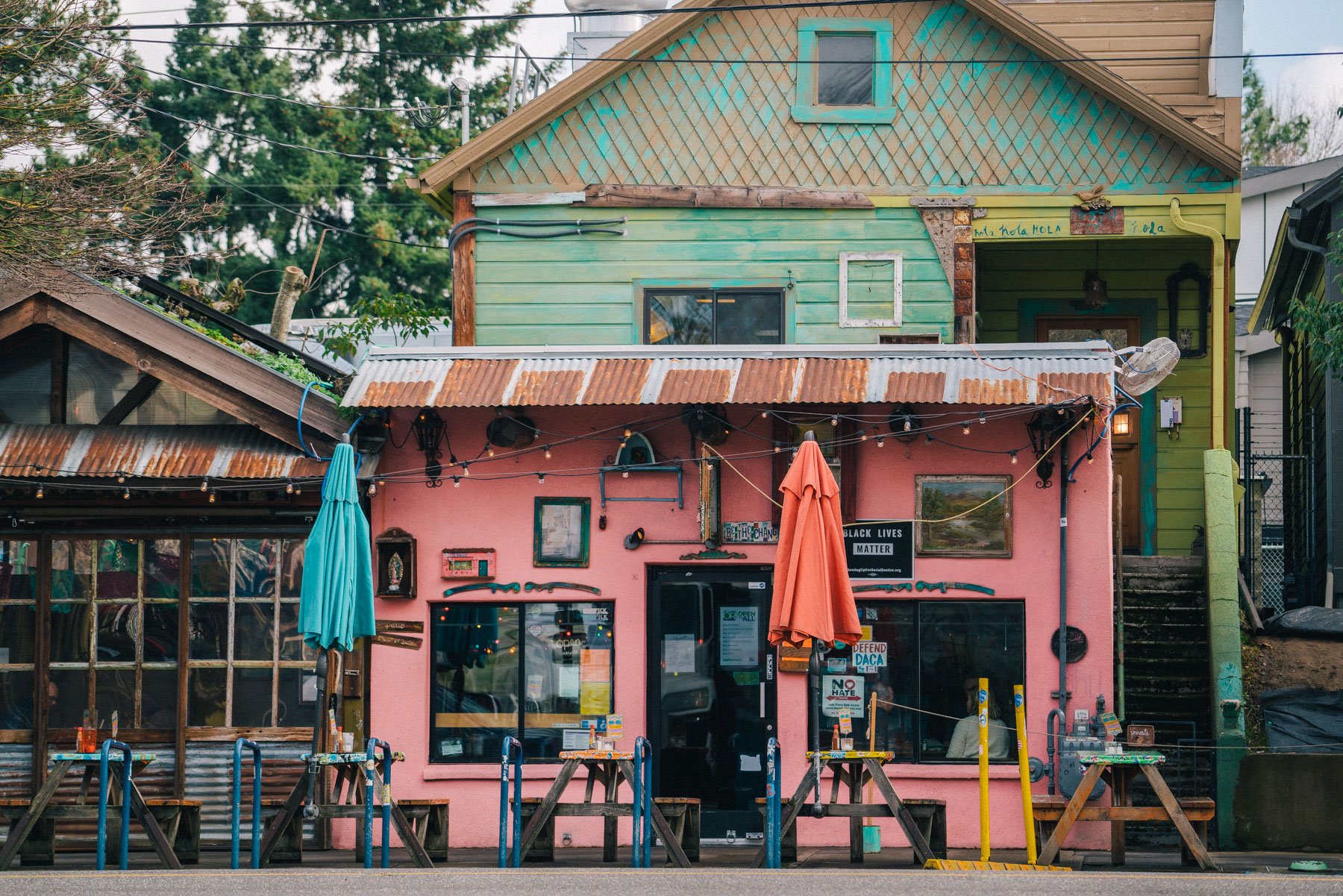
2. Set the Personality
Every street has a vibe. Is it warm and welcoming? Energetic and buzzing? Calm and neighborly? Decide what personality fits the place best and use it as a guide. When the ground level matches the spirit of the community, everything else starts to click.
-
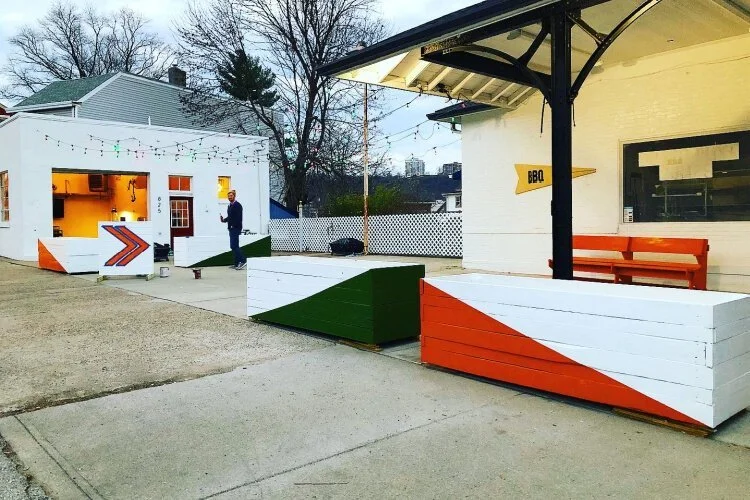
3. Experiment Tactically
Not everything has to be permanent. Try pop-up seating, playful lighting, street art, or planters that can move around. These quick wins show what’s possible and give people a taste of change. The beauty of tactical moves is that you can test ideas, learn fast, and build excitement along the way.
-
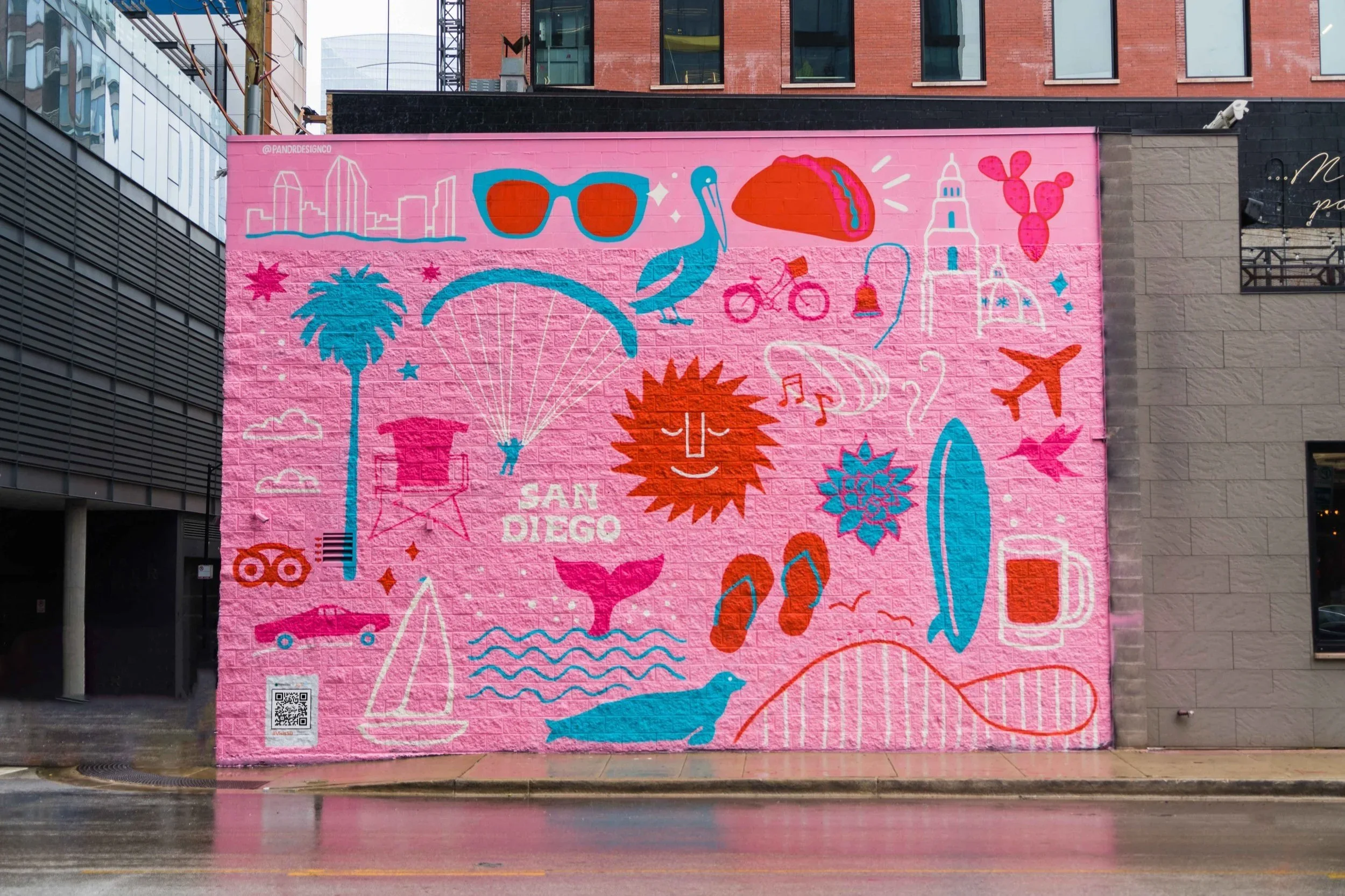
4. Retrofit the Gaps
Some frontages fall flat, but that doesn’t mean they’re hopeless. Blank walls can become murals or window displays. Awnings and shade can make a space instantly more comfortable. Even small fixes can turn dead edges into places people want to linger.
-
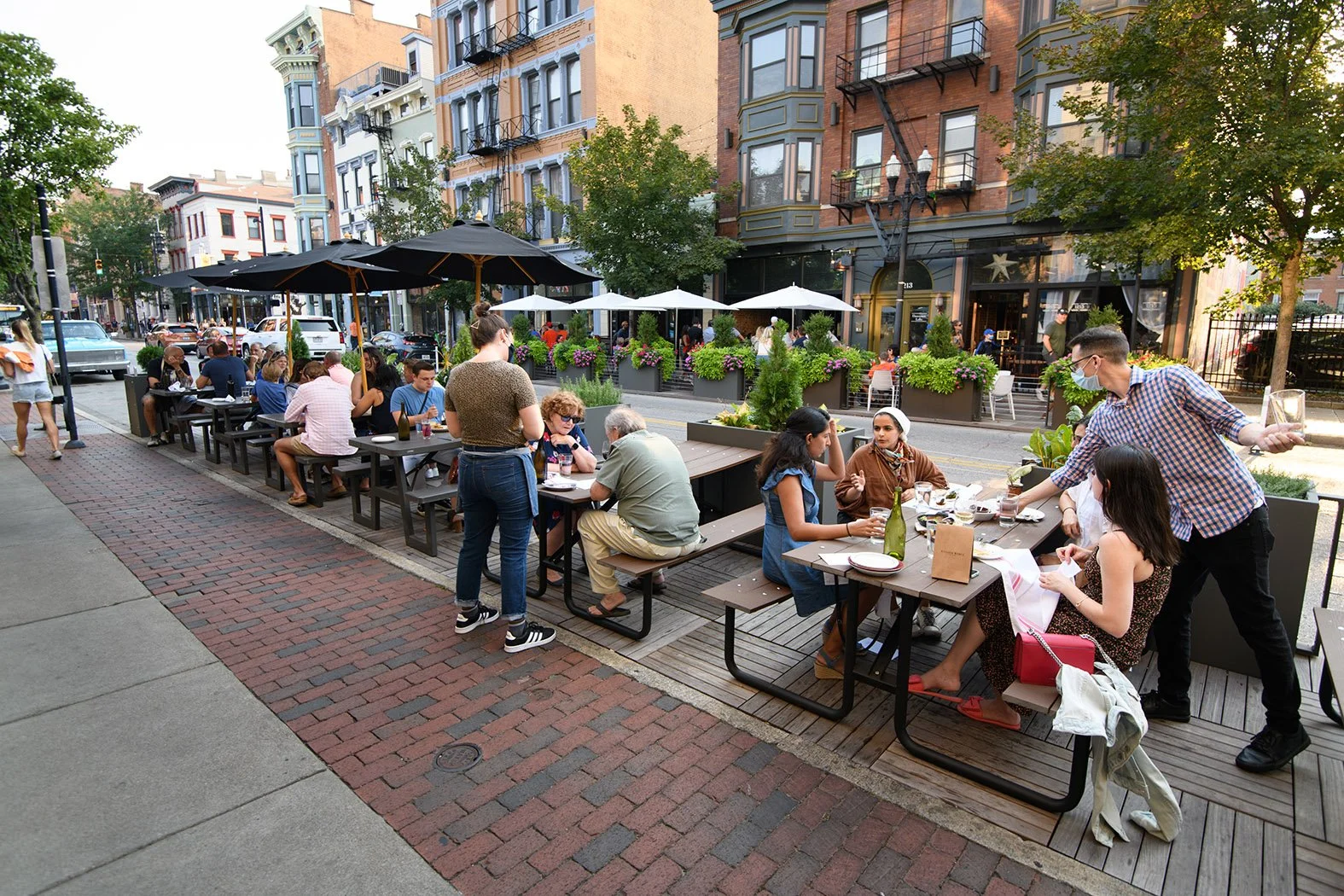
5. Reach the Side Streets
The First 16 Feet doesn’t stop at the main drag. Side streets and residential edges deserve the same care. When the whole network feels connected and walkable, the district starts to feel like one big invitation instead of a collection of isolated blocks.
-
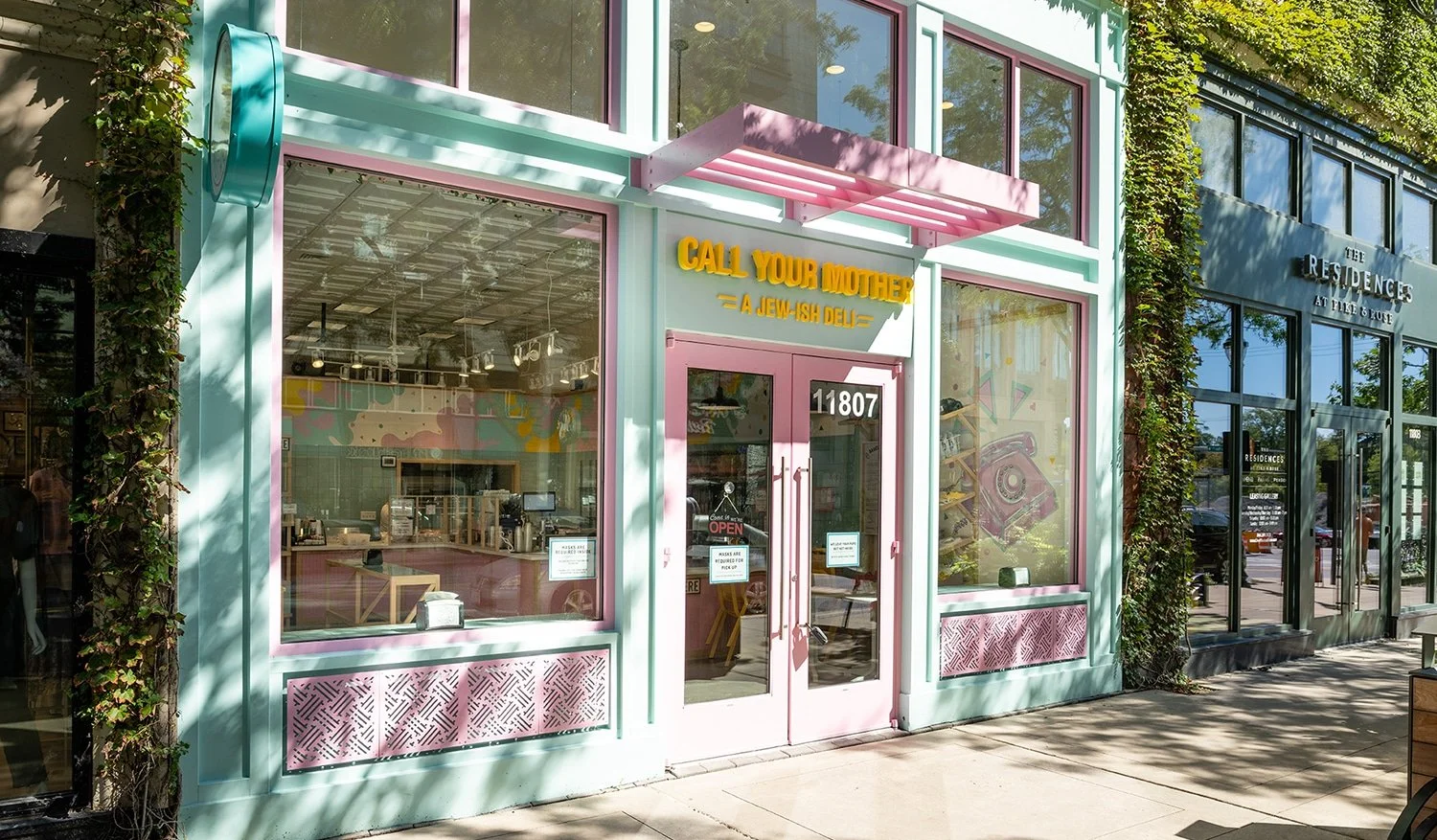
6. Collaboration & Dialogue
When new projects rise, get the ground floor right. Design for people, not cars. Transparent windows, stoops, lobbies, and community uses keep the street alive. Create opportunities for collaboration and dialogue with developers, property owners, and new businesses to invest in the F16. This isn’t just for retail—fitness studios, shared workspaces, residential, and gathering spots all add to the mix.
-
7. Think Beyond Storefronts
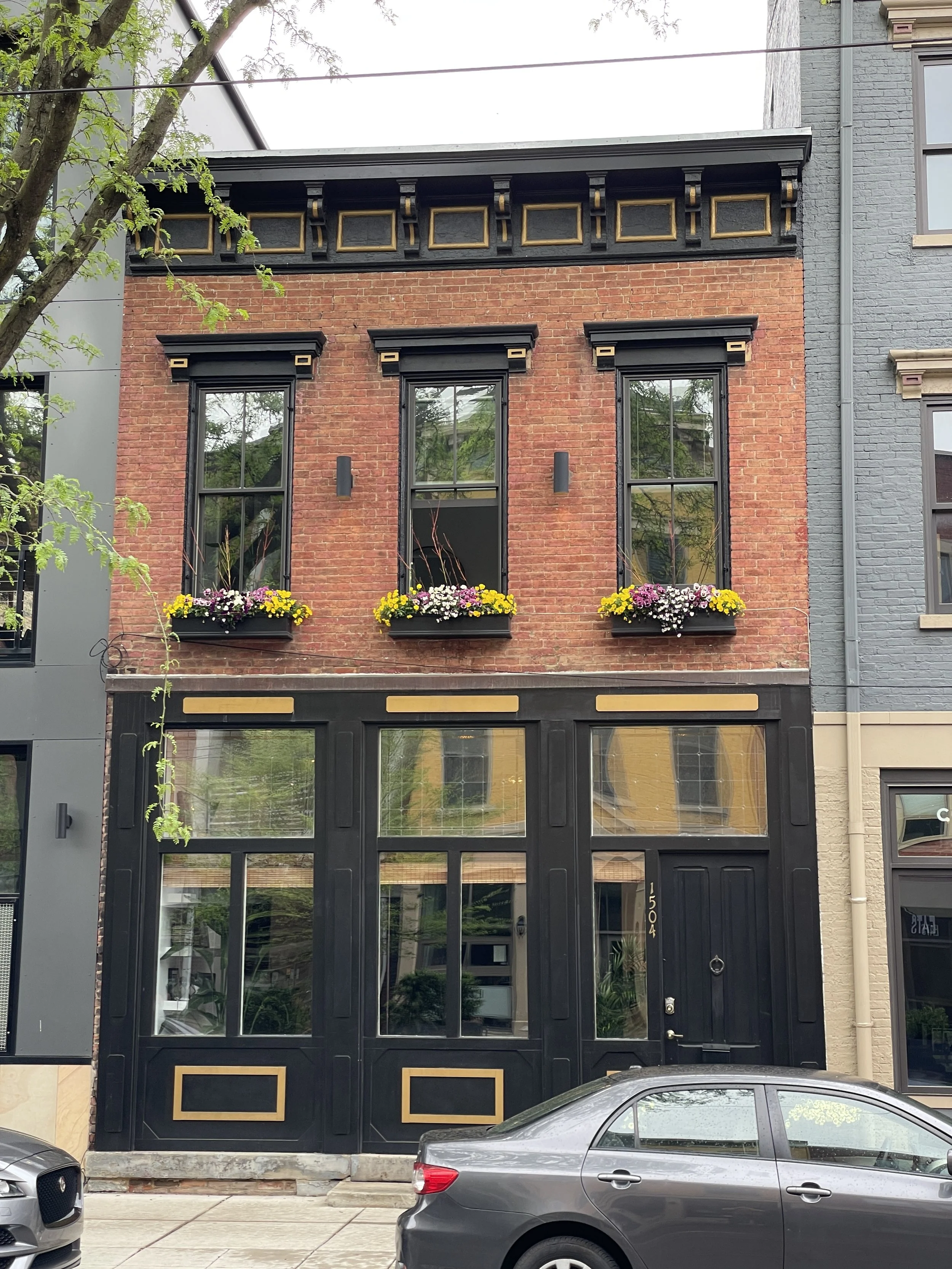
Every building can play a part. Cultural centers, civic buildings, clinics, residential, even parking structures can show personality at the street. When every frontage adds energy, the street feels more alive.
-
8. Care for the Caretakers
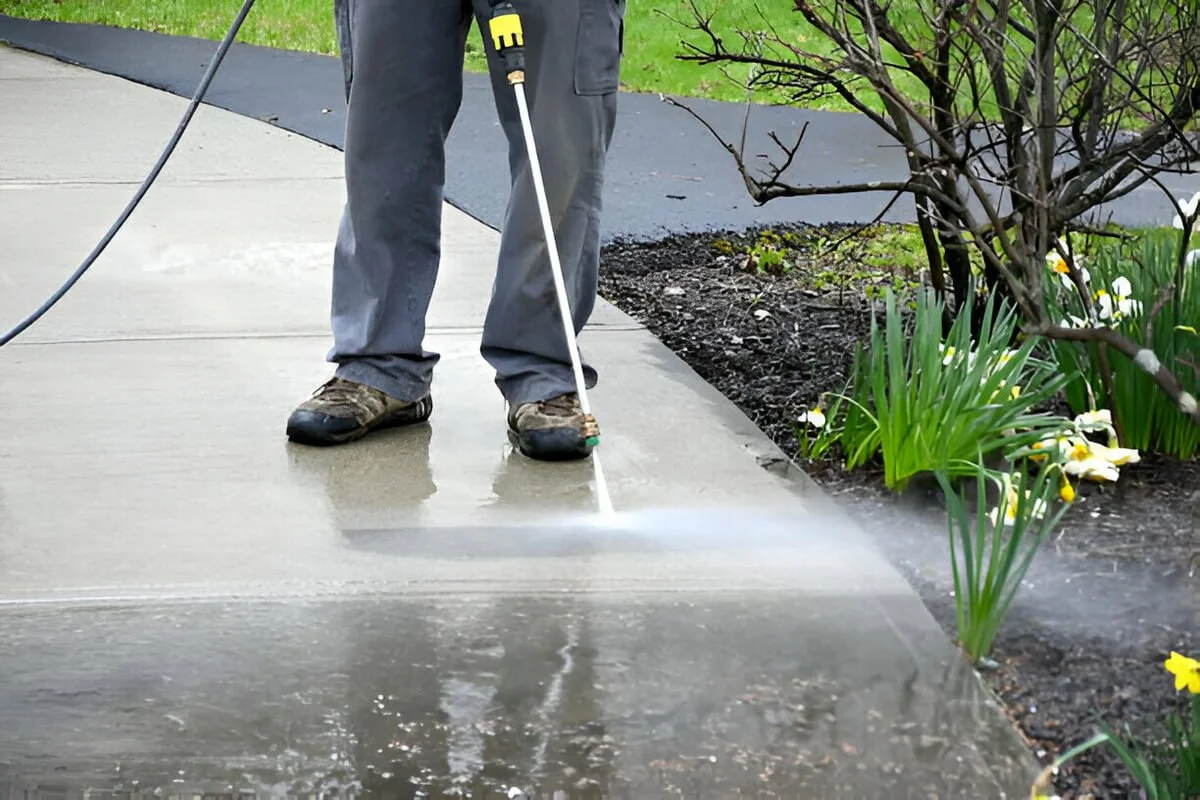
The people who sweep the sidewalk, water the plants, and keep the lights on matter just as much as the design. Support them, celebrate them, and involve them. When caretakers feel valued, the space stays vibrant long after the ribbon-cutting.
-
9. Keep Evolving
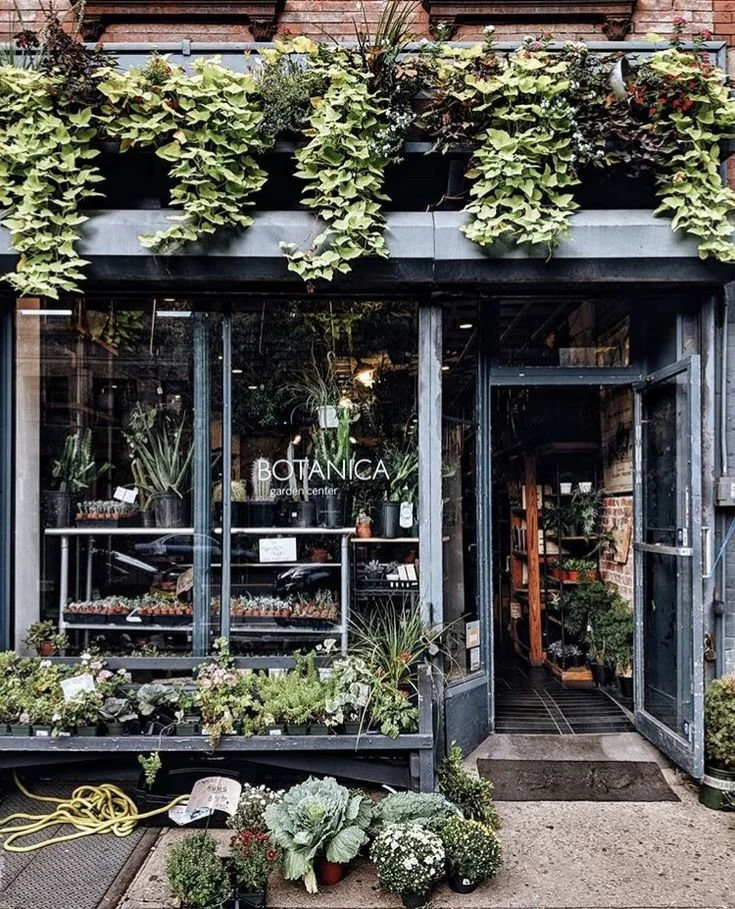
The First 16 Feet is never finished. People change, businesses shift, and neighborhoods grow. Keep tweaking, testing, and improving. Think of it as a living canvas—one that gets better with every brushstroke.